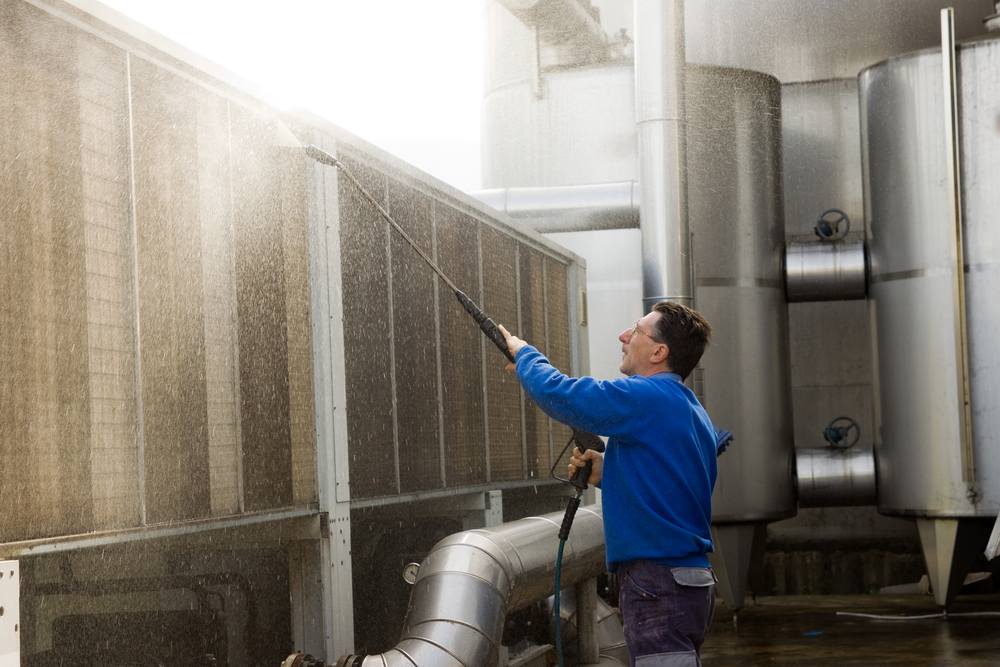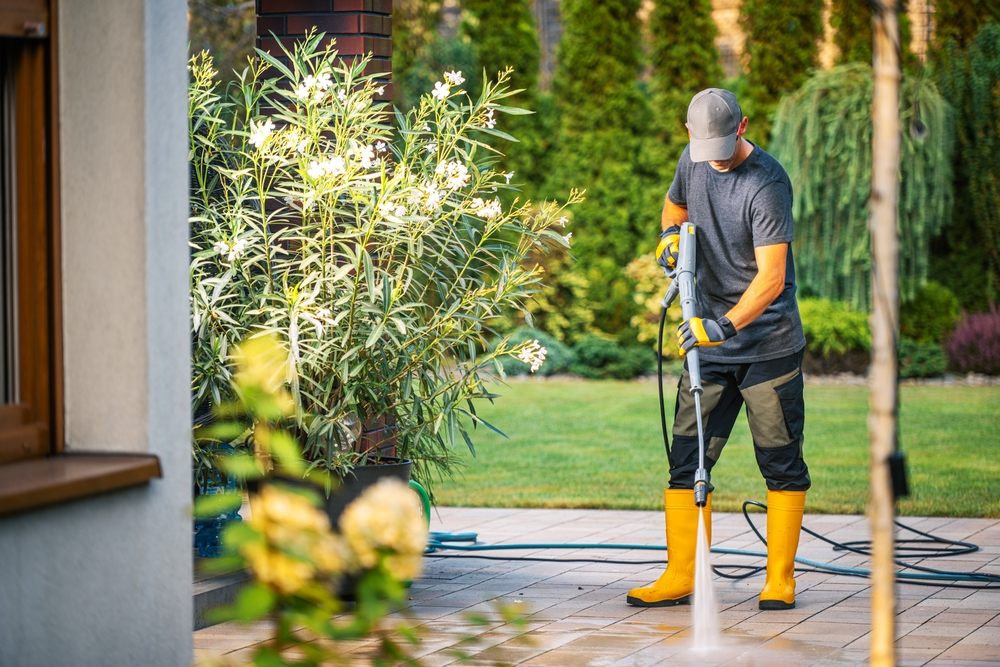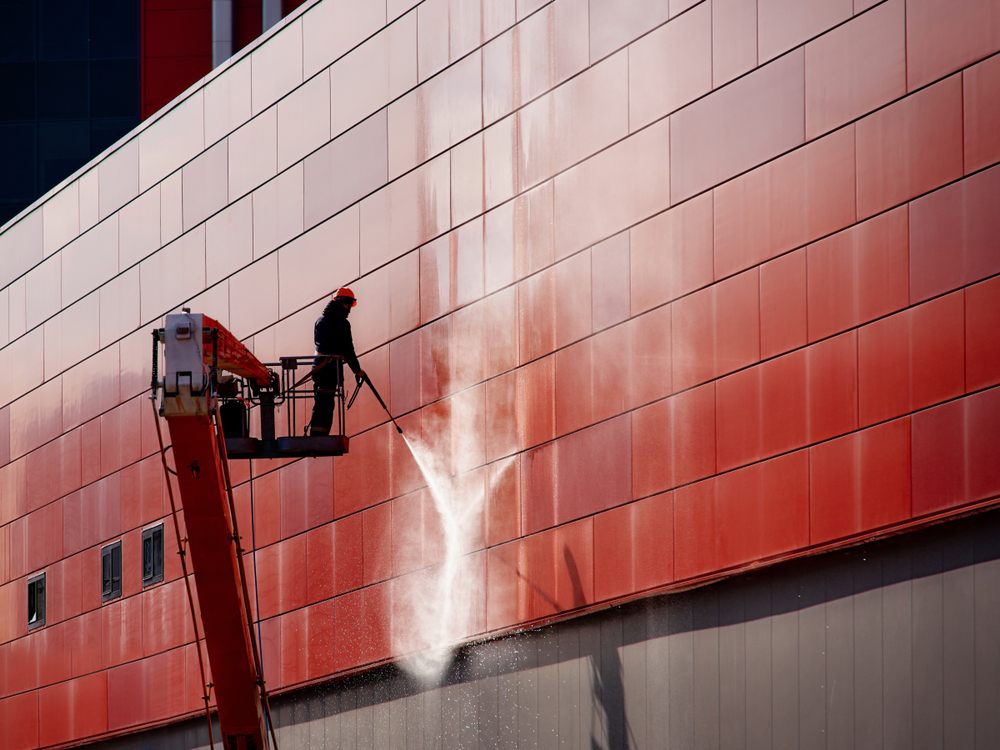
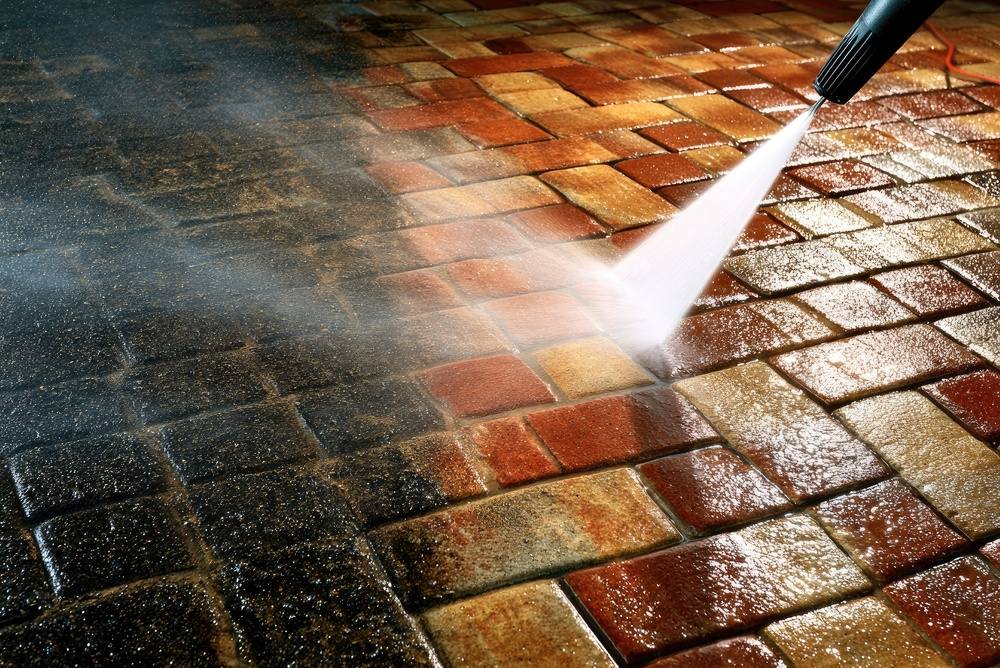
Pressure washing equipment has evolved far beyond the gas-powered, one-size-fits-all machines that once dominated the industry. Modern systems now incorporate precision controls, eco-friendly chemistry, and surface-specific settings that protect your property while delivering superior cleaning results.
Variable Pressure Control Systems Transform Surface Safety
Traditional pressure washers operated at fixed PSI levels, forcing technicians to rely solely on nozzle changes and distance adjustments to protect delicate surfaces. Today’s variable pressure systems allow real-time PSI modulation, enabling a single unit to safely clean everything from robust concrete driveways to fragile wood decking without equipment changes.
These systems benefit residential clients who need multiple surfaces addressed in one service call. A technician can start at 3,000 PSI for oil-stained garage floors, then dial down to 1,200 PSI for composite deck cleaning, and reduce further to 500 PSI for window exteriors, all without switching machines or risking surface damage. The precision prevents the etching, splintering, and paint removal that older high-pressure-only equipment frequently caused.
Commercial property managers see operational advantages as well. Variable systems reduce the equipment inventory needed for diverse properties, speed up service delivery, and minimize liability exposure from surface damage. A single crew can handle shopping centre sidewalks, storefront glass, and parking lot surfaces with appropriate pressure for each material.
Heated Water Systems Tackle Grease & Organic Growth
Cold water pressure washing relies primarily on mechanical force to remove contaminants. Heated water systems add thermal energy that breaks down oils, greases, and organic compounds at the molecular level, dramatically improving cleaning effectiveness on challenging substances.
For commercial kitchens, loading docks, and restaurant patios, heated systems dissolve accumulated grease that cold water simply spreads around. The combination of heat (typically 180-200°F) and pressure emulsifies fats and oils, allowing complete removal rather than redistribution. Health and safety inspectors increasingly expect this level of cleanliness in food service environments.
Residential applications benefit equally. Algae, mold, and mildew growth on vinyl siding, roof shingles, and patio pavers respond far better to heated cleaning. The thermal shock disrupts cellular structures in organic growth, while the pressure removes the dead material. Properties in shaded or moisture-prone areas that struggle with recurring green stains see longer-lasting results with heated water treatment.
The technology does require additional fuel for heating elements, but the trade-off comes in reduced chemical usage and faster cleaning times. Many jobs that previously required harsh degreasers or biocides now achieve comparable results with heated water and biodegradable surfactants.
Surface Cleaner Attachments Deliver Uniform Commercial Results
Wand-style pressure washing, while still necessary for vertical surfaces and detail work, leaves visible streaking patterns on flat expanses. Rotary surface cleaners house two or more rotating nozzles beneath a protective hood, creating consistent, overlapping spray patterns that eliminate zebra striping on driveways, walkways, and parking lots.
Commercial clients benefit from the professional appearance these attachments provide. A 10,000-square-foot parking lot cleaned with a wand shows obvious overlap marks and missed spots. The same area treated with an appropriate-sized surface cleaner (typically 24-30 inches for commercial work) displays uniform colour and finish across the entire surface.
The containment hoods on modern surface cleaners also address environmental and regulatory concerns. They capture overspray and prevent contaminated runoff from spreading across adjacent areas, making it easier to direct wastewater toward appropriate drainage or collection systems. Properties near storm drains or sensitive landscaping particularly value this controlled cleaning approach.
For residential driveway and patio cleaning, smaller surface cleaners (12-20 inches) offer the same streak-free results while maneuvering around vehicles, planters, and outdoor furniture. The time savings compared to wand cleaning often reduce service costs, while the quality improvement increases property curb appeal.
Water Reclamation & Filtration Address Environmental Standards
Pressure washing generates significant wastewater containing suspended solids, petroleum residues, and cleaning agents. Water reclamation systems collect this runoff, filter out contaminants, and allow either proper disposal or water reuse, addressing both environmental regulations and water conservation goals.
Municipal bylaws increasingly restrict pressure washing runoff, particularly near storm drains that feed directly into waterways. Commercial properties can face substantial fines for allowing contaminated water to enter drainage systems. Reclamation equipment vacuum-captures wastewater during cleaning, processes it through multi-stage filtration, and stores the cleaned water for disposal at approved facilities or reuse in subsequent cleaning jobs.
The technology proves especially valuable for industrial facilities, automotive service centres, and properties where petroleum contamination is common. Traditional pressure washing simply pushes oil and grease into drainage systems. Reclamation captures these substances, preventing environmental violations while demonstrating corporate environmental responsibility.
Residential clients see benefits on properties with sensitive landscaping or private wells. Captured and filtered water prevents detergents and suspended dirt from overwhelming flower beds or seeping into groundwater. In regions experiencing water restrictions, the ability to reuse filtered water for subsequent cleaning passes can reduce total consumption by 40-60%.
Soft Washing Integration Protects Sensitive Building Materials
Not all exterior cleaning challenges require high pressure. Soft washing systems apply cleaning solutions at low pressure (typically under 500 PSI), allowing chemical action rather than mechanical force to remove contaminants. Modern pressure washing services increasingly incorporate soft wash capability for materials that high pressure would damage.
Vinyl siding, EIFS (synthetic stucco), painted surfaces, and asphalt roof shingles all risk damage from traditional pressure washing. Soft washing applies specialized solutions that kill organic growth, dissolve dirt, and break down stains, then rinses at low pressure. The results often surpass pressure washing for these applications, with far less risk of water intrusion, surface erosion, or finish damage.
Commercial buildings with architectural features, decorative stonework, or aged masonry benefit from soft washing techniques that clean without accelerating deterioration. Heritage properties and buildings with historical designation often require soft washing to meet preservation standards.
For residential clients, soft washing extends the life of exterior finishes and roofing materials. Window cleaning services often combine with soft washing for comprehensive exterior maintenance that addresses both glass and surrounding trim, frames, and siding without risking seal damage or water infiltration.
Common Questions About Modern Pressure Washing Technology
Q: How do I know which pressure washing method is right for my property?
A: The appropriate method depends on your surface materials and contamination type. Hard surfaces like concrete and brick typically tolerate higher pressure, while wood, vinyl, and painted surfaces require variable pressure or soft washing. Professional assessment considers material composition, contamination severity, and surrounding landscape sensitivity. Grease and organic growth respond better to heated water or chemical treatment, while general dirt and grime often require only mechanical pressure.
Q: Are eco-friendly cleaning solutions as effective as traditional chemicals?
A: Modern biodegradable surfactants and enzymatic cleaners match or exceed the performance of harsh chemical degreasers for most applications. They work by breaking surface tension and encapsulating dirt particles rather than through caustic chemical reactions. The main difference lies in dwell time—eco-friendly products often require several minutes of surface contact before rinsing, while aggressive chemicals work faster. For organic growth like algae and mildew, specialized biocides remain more effective, but newer formulations minimize environmental impact while maintaining cleaning power.
Q: Does new pressure washing equipment reduce the risk of property damage?
A: Significantly. Variable pressure controls, surface-specific settings, and improved nozzle technology give technicians precise control that fixed-pressure equipment never offered. However, technology only reduces risk when operators understand proper application. The most advanced equipment still causes damage in inexperienced hands, while skilled technicians achieve excellent results even with older machines. The combination of modern equipment and trained operators provides the highest level of property protection.
Professional Equipment Makes the Difference in Cleaning Results
Understanding these technological advances helps you evaluate service providers and set realistic expectations for your property’s exterior cleaning needs. The gap between consumer-grade equipment and professional systems continues to widen, with commercial-grade machines offering capabilities that justify professional service for both effectiveness and safety.
DewDrop Home Services maintains current professional equipment and trains our technicians on appropriate applications for every surface type. Whether you need commercial property maintenance or residential exterior refresh, our approach matches technology to your specific requirements. Get a Free Estimate to discuss which cleaning methods suit your property best.