Clogged or poorly maintained gutters cause thousands of dollars in preventable damage to Canadian homes every year, from basement flooding to rotted fascia boards and foundation cracks. Most homeowners only think about their eavestrough system when water starts pouring over the sides or ice dams form in winter. A proactive, season-by-season maintenance approach protects your home’s structural integrity and eliminates emergency repair bills before they happen.
Spring: Post-Winter Inspection and Debris Removal
After months of freezing temperatures, melting snow, and early spring storms, your gutters need a thorough assessment. Ice expansion may have loosened fasteners, and decomposing leaf matter from fall can create stubborn blockages that restrict water flow.
Start by walking the perimeter of your home during or immediately after a moderate rainfall. Look for any sections where water overflows the gutter edge rather than flowing toward downspouts. These overflow points signal blockages or improper pitch. Check inside the gutters for accumulated sediment, which appears as a dark, compacted layer of decomposed organic material. This sediment doesn’t wash away on its own and creates a breeding ground for seedlings and moss.
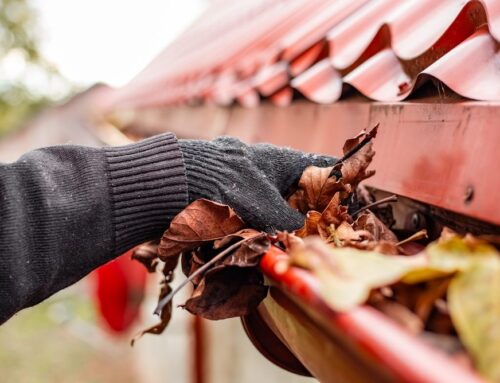
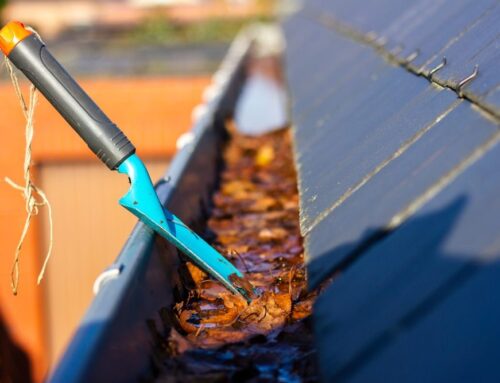
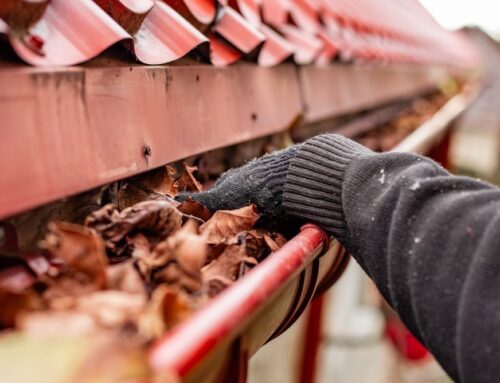
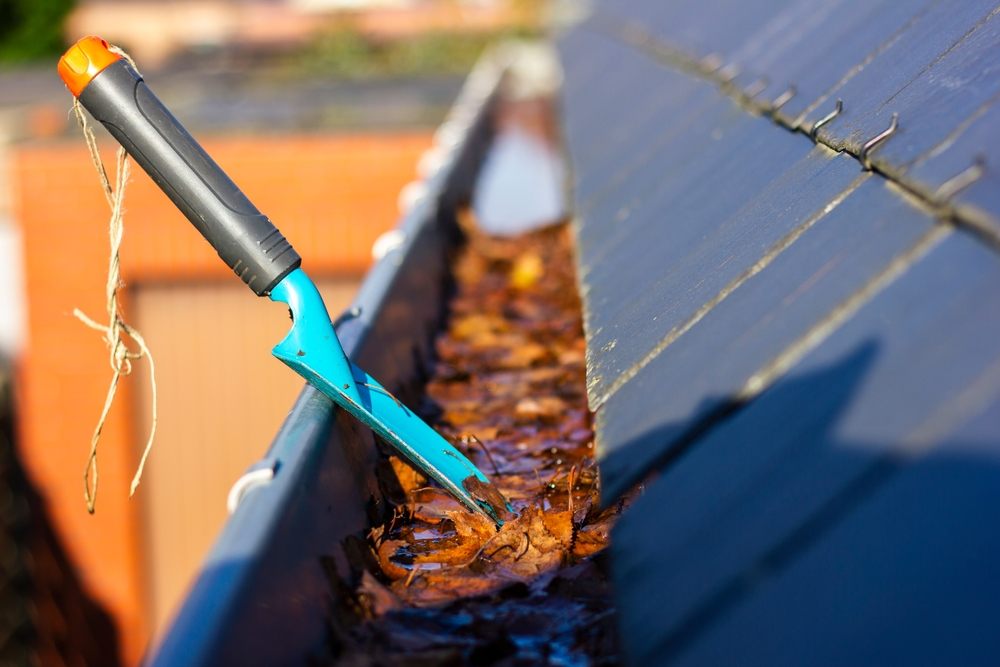
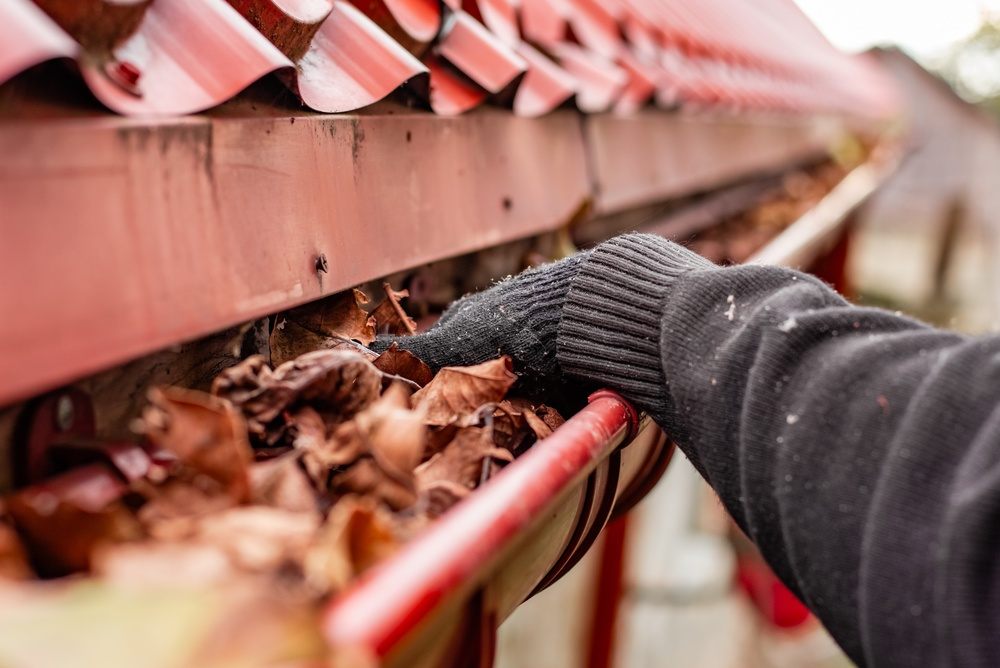
Remove all debris by hand or with a gutter scoop, working from the downspout back toward the high end of each run. Flush the system with a garden hose to confirm water flows freely through downspouts. If water backs up, the downspout itself may be clogged and require disassembly or augering.
Inspect all mounting brackets and hangers. In Ontario’s freeze-thaw cycles, expansion and contraction can pull screws loose or crack older spike-and-ferrule hangers. Tighten any loose fasteners and replace damaged hangers before they fail completely. While you’re up there, examine the fascia board behind the gutter for soft spots, peeling paint, or dark staining, all indicators that water has been escaping behind the gutter line.
Summer: Mid-Season Check and Gutter Guard Evaluation
Summer offers the easiest conditions for gutter work, with dry weather and longer daylight hours. Even if your spring cleaning was thorough, a mid-summer check catches problems that develop during storm season.
Look for standing water in any gutter section 24 hours after rain. Gutters should drain completely when dry weather returns. Pooling water indicates an incorrect slope, and over time, this standing water accelerates rust in metal gutters and promotes algae growth. For every three metres of gutter run, there should be approximately one centimetre of slope toward the downspout. Adjusting hangers to correct the pitch now prevents corrosion damage later.
If you’ve installed gutter guards or screens, summer is the time to evaluate their performance honestly. Some guard systems create more problems than they solve, allowing fine debris to enter while making cleaning more difficult. Inspect the surface of guards for accumulated shingle grit, pine needles, or layered organic material. Many homeowners discover that guards designed for one type of debris perform poorly with the mix of maple keys, oak leaves, and conifer needles common in the Greater Toronto Area. If your guards aren’t delivering on their promise, removal may actually improve system function and make professional eavestrough cleaning more effective.
Trim back any tree branches hanging within two metres of your roofline. Overhanging branches deposit leaves directly into gutters and provide highways for squirrels and raccoons, which can damage screens and create nesting debris.
Fall: The Critical Season for Gutter Maintenance
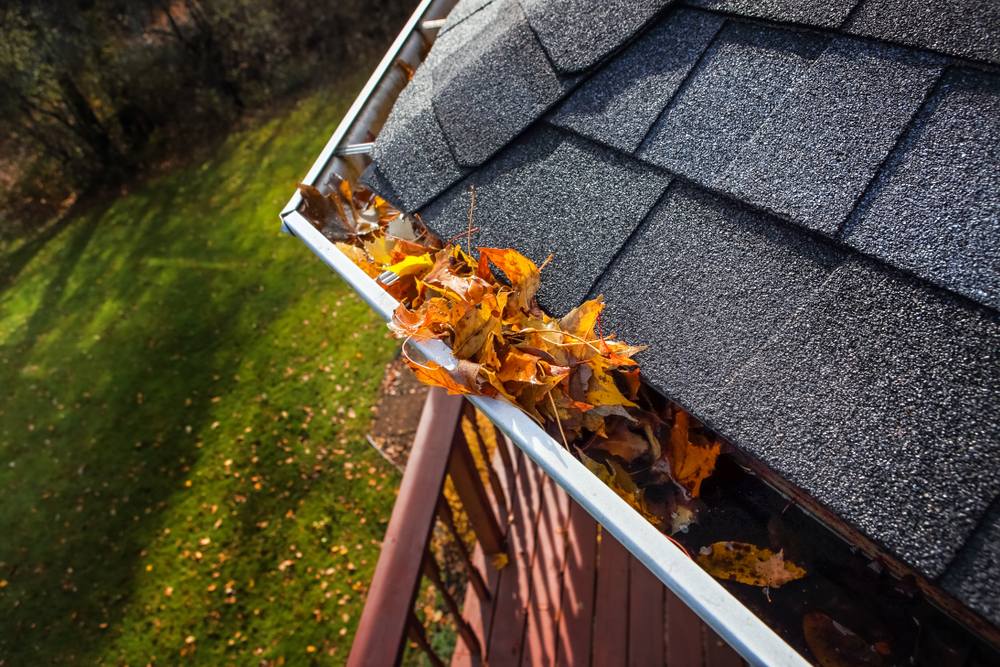
Autumn represents the highest-risk period for gutter failure. The sheer volume of leaves falling from mature trees in Oakville and Mississauga can overwhelm any eavestrough system in a matter of weeks.
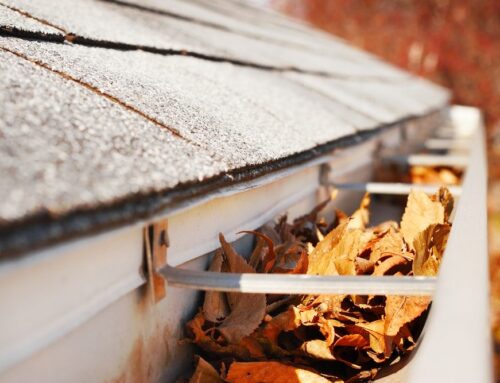
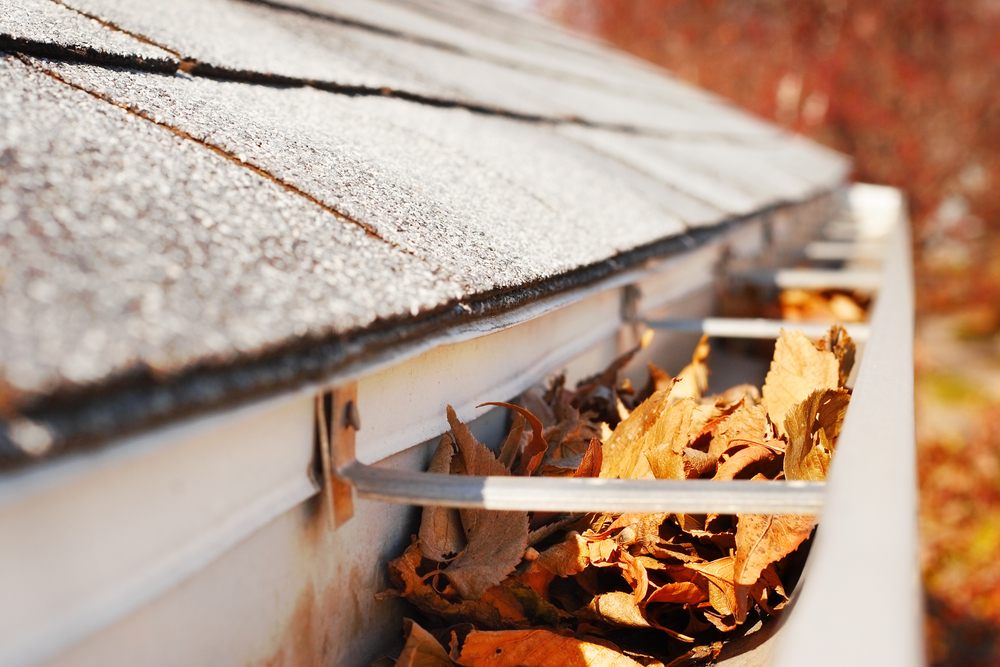
Plan for at least two thorough cleanings during the fall, one in mid-October and another in late November, after most trees have finished dropping leaves. Wet leaves compact quickly and form dense mats that block water flow entirely. A single rainfall on top of a leaf-filled gutter adds significant weight, potentially pulling the entire system away from the fascia.
Pay special attention to valley areas of your roof, where two planes meet. These valleys funnel extra water volume into specific gutter sections, making them particularly vulnerable to overflow when even partially blocked. Similarly, any gutter section that receives runoff from a large roof area needs more frequent inspection than sections covering smaller roof planes.
For multi-storey homes, don’t neglect upper-level gutters. Many homeowners focus on easily accessible lower gutters while upper-level eavestroughs go unchecked for years. Upper gutters that overflow dump extra water onto lower roof sections and can saturate the building envelope in ways that aren’t immediately visible.
Before the first hard freeze, confirm all downspouts direct water at least 1.5 metres away from your foundation. Extensions or splash blocks that worked fine in summer sometimes shift position during lawn maintenance. Water dumping next to your foundation will find its way into your basement, either immediately or during the spring thaw.
Winter: Monitoring and Ice Dam Prevention
Winter gutter maintenance focuses on observation and intervention rather than cleaning. Once temperatures consistently stay below freezing, attempting to clean gutters becomes dangerous and largely ineffective.
Watch for ice dam formation along your roof edge. Ice dams occur when heat escaping through your roof melts snow, which then refreezes at the colder eave edge, creating a ridge of ice. Water backs up behind this ice ridge and can work its way under shingles. While ice dams often indicate attic insulation or ventilation problems, clogged gutters make them significantly worse by providing additional surface area for ice accumulation.
If you notice ice dams forming, address the root cause (attic heat loss) rather than attacking the ice itself. Chipping away ice risks damaging shingles and gutters. For persistent ice dam problems, consult with both a roofing professional about ventilation and a pressure washing service about safe ice removal methods once temperatures moderate.
Remove snow from lower roof sections if accumulation exceeds 30 centimetres. Use a roof rake from ground level rather than climbing onto an icy roof. Reducing snow load reduces the volume of meltwater your gutters must handle during the next thaw period.
Check that downspout outlets haven’t frozen shut. Ice plugs in downspouts force water to back up and overflow, creating dangerous ice sheets on walkways and driveways. If a downspout freezes, never attempt to thaw it with open flame. Hot water poured from the top opening can help, or simply wait for a milder day when it thaws naturally.
Common Questions About Year-Round Gutter Maintenance
How often should gutters be professionally cleaned in the Greater Toronto Area?
Most homes in Oakville and Mississauga benefit from professional cleaning twice annually, in late spring and late fall. Properties with mature trees overhanging the roofline, particularly oaks and maples, often require three cleanings. Homes surrounded by conifers need attention in late summer when evergreens drop needles. A professional service identifies developing problems like loose fasteners or fascia damage that homeowners often miss during DIY cleaning.
Can I maintain gutters myself, or should I hire a professional?
Single-storey homes with safe ladder access allow capable homeowners to handle basic debris removal themselves. However, professional gutter cleaning in Oakville provides advantages beyond debris removal. Trained technicians inspect the entire water management system, including proper pitch, secure mounting, functional downspouts, and early signs of fascia rot. They also carry liability insurance for ladder work and roof access. For two-storey homes, steep-pitched roofs, or properties where ladder placement is difficult, professional service eliminates serious injury risk.
What are the warning signs that gutter damage has already occurred?
Peeling exterior paint below the gutter line indicates persistent overflow. Visible gaps between the gutter and fascia board mean fasteners have pulled loose. Rust spots or holes in metal gutters require immediate attention before they expand. Sagging sections suggest either inadequate support spacing or water weight from poor drainage. Foundation cracks, basement moisture, or soil erosion next to your foundation often trace back to failing gutters that have redirected water toward the building rather than away from it.
Protect Your Home With Proactive Gutter Care
Consistent seasonal maintenance transforms your eavestrough system from a neglected afterthought into reliable protection for your home’s foundation, siding, and structural integrity. The time and modest expense of regular gutter care prevent exponentially costlier repairs to fascia boards, soffits, basements, and foundations. By addressing small issues in each season before they compound, you extend the functional life of your entire gutter system and maintain proper water management around your property year-round.
DewDrop Home Services provides thorough eavestrough inspection and cleaning throughout Oakville and the Greater Toronto Area, with trained technicians who identify problems before they become emergencies. Our satisfaction guarantee ensures your gutters function properly, protecting your home through every season. Get a Free Estimate today and take the first step toward comprehensive gutter protection.